Need Help? +975 77309614

In the early 1970s, His Majesty Jigme Singye Wangchuck, the Fourth King of Bhutan, introduced a concept that would redefine global development thinking: Gross National Happiness. As a young monarch, His Majesty questioned the world’s reliance on Gross Domestic Product (GDP) as the sole measure of progress. He believed that true development must nurture both material prosperity and inner well-being.
The roots of this philosophy run deep. As early as 1629, Bhutan’s ancient legal code declared:
“If the government cannot create happiness for its people, then there is no purpose for the government to exist.”Grounded in Buddhist values, compassion, and respect for all sentient beings, Bhutan’s leaders envisioned a society where harmony, balance, and dignity mattered as much as economic growth. Today, modern research echoes this wisdom: wealth alone does not guarantee well-being. Bhutan’s holistic approach offers the world a refreshing alternative — progress measured with purpose.
When Bhutan embraced democracy in 2008, the values of GNH were enshrined in the Constitution. Article 9 clearly states:
“The State shall strive to promote those conditions that will enable the pursuit of Gross National Happiness.”GNH has since become a globally admired development philosophy — a model that blends economic, spiritual, cultural, and environmental well-being.
Bhutan’s GNH framework is built on four guiding pillars that shape national policies and everyday life:
Governance rooted in integrity, compassion, and accountability. Policies are designed to uplift citizens and strengthen institutions — creating an environment where people can thrive.
An economy that values productivity and quality of life. GNH recognizes the importance of stable livelihoods, work-life balance, community cohesion, and the dignity of every individual.
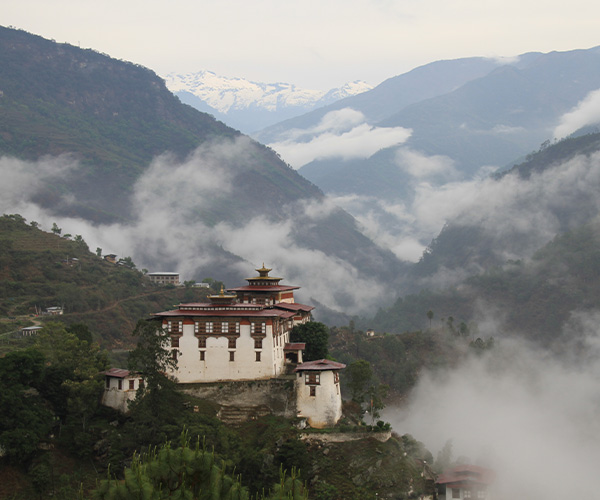
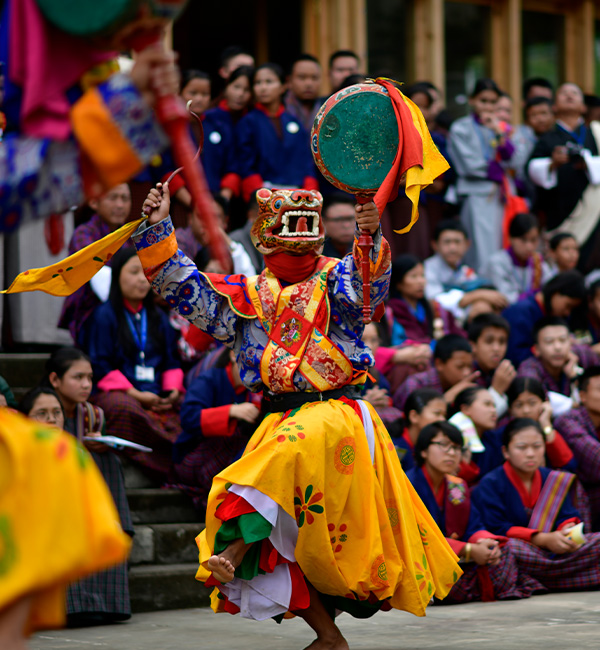
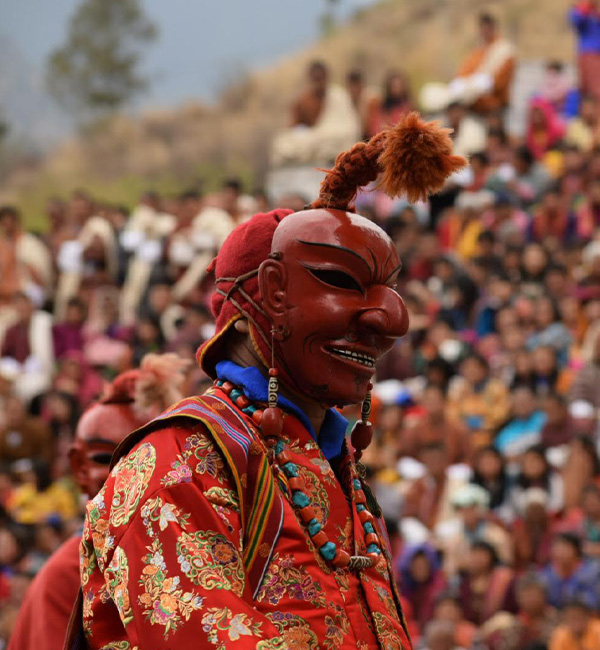
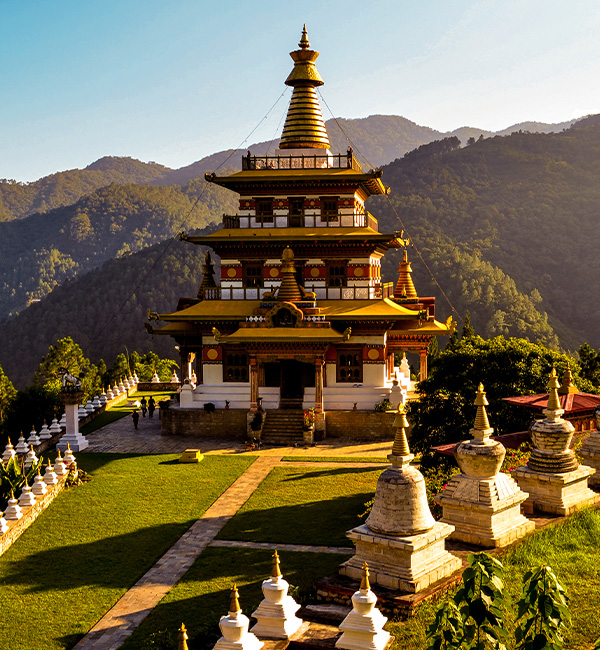
Culture is the heartbeat of Bhutanese identity. From traditional arts to festivals, values to architecture, GNH supports cultural resilience — ensuring traditions evolve without losing their essence.
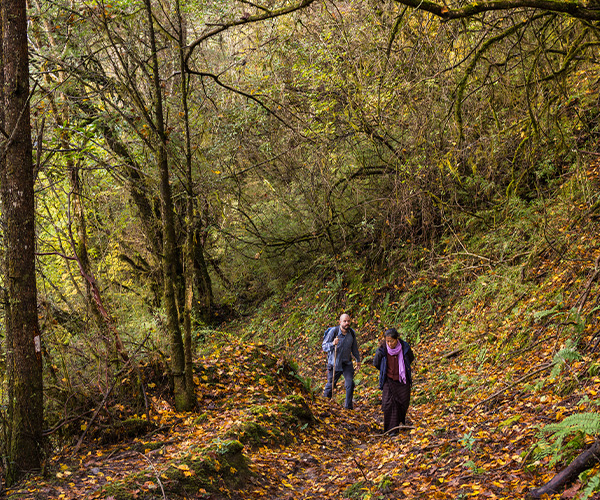
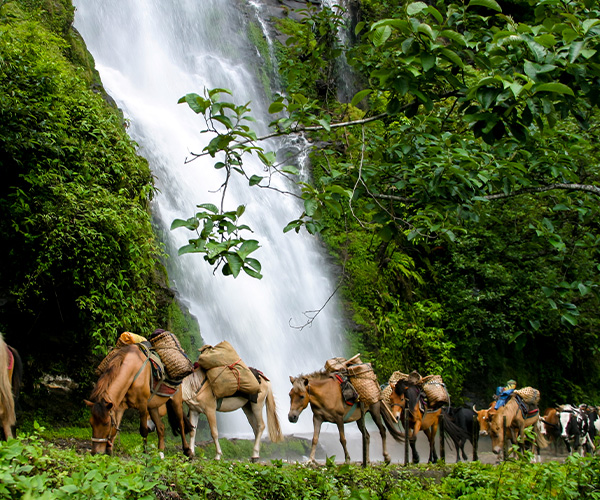
In Bhutan, nature is sacred. Clean rivers, pristine forests, and abundant biodiversity are seen not only as national treasures but as essential to human happiness. Environmental protection is a constitutional duty — and a spiritual responsibility.
To translate its vision into action, Bhutan developed nine domains that collectively measure well-being:
Together, they form one of the world’s most comprehensive frameworks for measuring human well-being.
Before any national policy or development project is approved, it must pass through the GNH Screening Tool — a unique system that ensures every initiative supports the well-being of the Bhutanese people.
The tool works at policy and project levels and applies across:Oversight is provided by the Gross National Happiness Commission (GNHC), Bhutan’s highest development body. Its mission is clear:
“To promote an enabling environment for all Bhutanese to be happy, guided by the philosophy of GNH.”The GNH Index, or Happiness Survey, is Bhutan’s official measure of national well-being. It tracks how citizens are doing across the nine domains and 33 indicators, providing vital insights for policymakers.
More than a statistic, the GNH Index is a living instrument — one that helps Bhutan refine its policies, address emerging challenges, and stay aligned with its core value of collective happiness.
Gross National Happiness is Bhutan’s gift to humanity — a reminder that progress is more meaningful when people feel connected, fulfilled, and at peace. While many nations measure success in numbers, Bhutan invites the world to look inward, to rediscover the timeless importance of joy, harmony, and spiritual well-being.
For travellers, GNH is not just a philosophy — it is something you feel.
It is in the kindness of the people, the silence of the forests, the purity of the air, and the deep sense of balance that surrounds you.
Get the best out of your trip to Bhutan